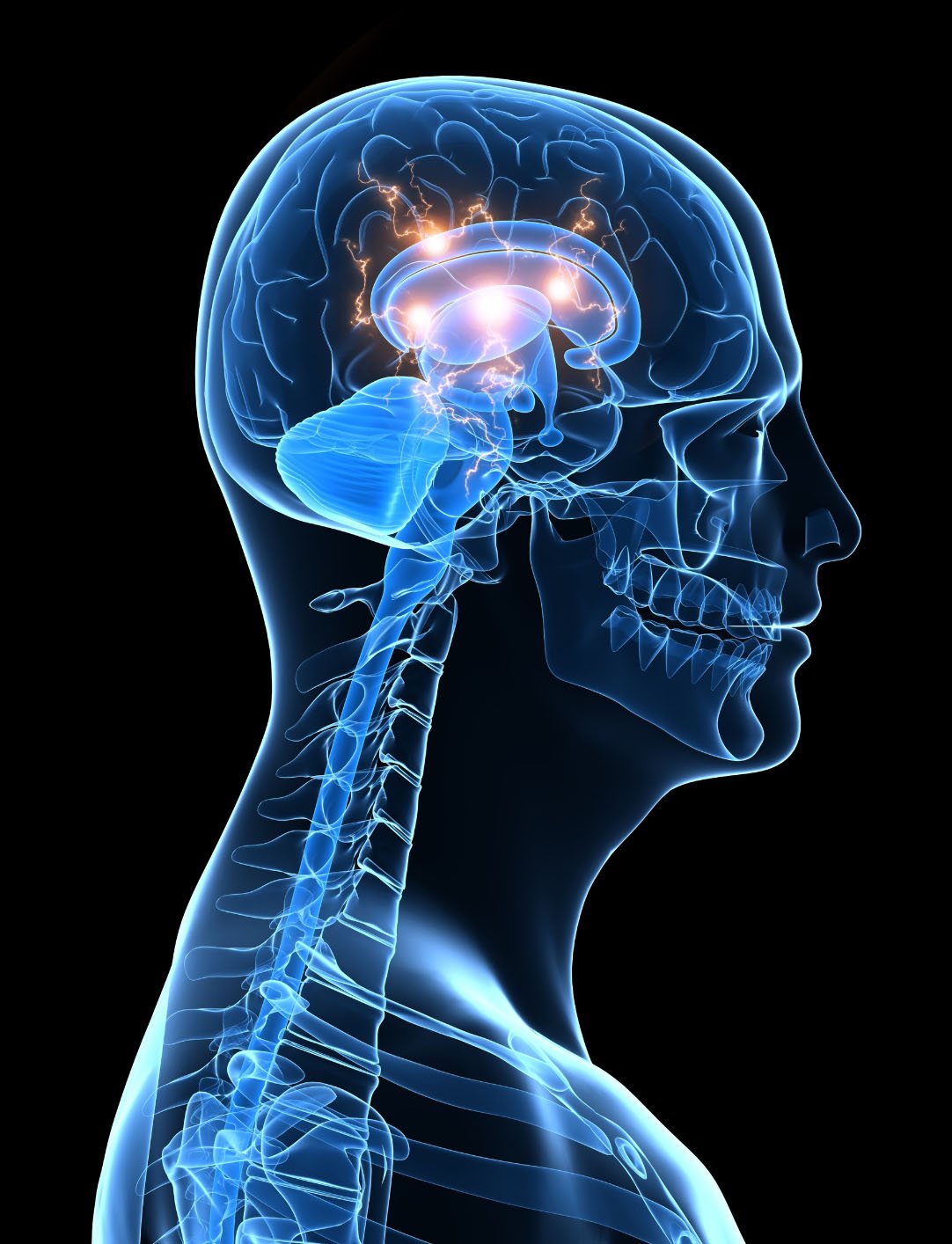
A traumatic brain injury can affect memory, concentration, balance, sleep, communication, mood, and everyday functioning. If you suffered a concussion, blast injury, head trauma, or another TBI during military service and continue to experience residual symptoms, you may be entitled to VA disability compensation.
A traumatic brain injury occurs when a sudden bump, blow, or jolt to the head changes the way the brain works. VA explains that TBI can range from mild to severe and may affect how a Veteran thinks, feels, acts, and moves.
For Veterans, TBI may result from blast exposure, vehicle accidents, falls, training accidents, direct blows to the head, combat-related trauma, or other events involving sudden acceleration, deceleration, or impact.
Memory loss, slowed thinking, difficulty focusing, trouble organizing tasks, confusion, and problems finding words can occur after TBI.
Headaches, Dizziness & Balance
Headaches, dizziness, fatigue, balance problems, vision problems, nausea, and sensitivity to light or sound may occur.
How can a TBI be connected to Military Service?
For a direct service-connection claim, VA generally looks for evidence of a current disability, an in-service event, injury, or disease, and a relationship between the current condition and service.
Establish What Happened
Service records, incident documentation, deployment history, treatment records, and supporting statements may help establish a head injury, blast, accident, or other event.
Document What Remains
Medical evidence can document current headaches, cognitive problems, balance issues, sleep problems, sensory symptoms, or other TBI residuals.
Establish the Relationship
The evidence must establish the required relationship between the current disability or residuals and qualifying service.
TBI claims can be challenging because symptoms may change over time and some TBI symptoms can overlap with PTSD, depression, sleep disorders, headaches, or other conditions. VA notes that TBI and PTSD can occur together and that overlapping symptoms may require careful clinical evaluation.
Medical Evidence
VA and private treatment records
TBI clinic evaluations
Neurology records
Neuropsychological or cognitive testing
Headache treatment records
Vestibular or balance evaluations
Rehabilitation records
Medical opinions when appropriate
Military & Supporting Evidence
Service treatment records
Personnel and deployment records
Incident or accident reports
Combat documentation
Evidence of blast exposure
Statements from fellow service members
Statements from family members
Statements describing changes in memory, behavior, communication, or daily functioning
VA evaluates TBI residuals under Diagnostic Code 8045. The framework addresses cognitive, emotional/behavioral, and physical dysfunction. Cognitive impairment and subjective symptoms are evaluated using specific facets, with the highest applicable level generally controlling the evaluation under the TBI table.
Facet
What VA Evaluates
01
Memory, attention, concentration, and executive functions
02
Judgment
03
Social interaction
04
Orientation
05
Motor activity
06
Visual-spatial orientation
07
Subjective symptoms
08
Neurobehavioral effects
09
Communication
10
Consciousness
Headaches Can Be an Important TBI Residual.
Headaches are among the symptoms VA identifies following TBI. Depending on the medical evidence and applicable VA criteria, a headache disorder may involve rating considerations separate from the cognitive or subjective-symptom facets of TBI.
The evidence should identify whether headaches are a TBI residual or a separately diagnosed condition and how they affect daily functioning.
TBI and PTSD Can Exist Together.
TBI and PTSD are different conditions, but they can result from the same event and may share symptoms such as sleep problems, irritability, depression, anxiety, and difficulty concentrating or remembering. VA explains that providers may need to determine whether symptoms are related to TBI, PTSD, or both.
01 / SERVICE
Brain Injury Residuals
May involve cognitive, physical, sensory, communication, or neurobehavioral symptoms associated with the brain injury.
02 / CONDITION
Psychological Trauma
May result from the same event or another traumatic experience and is evaluated under applicable mental-health criteria.
03 / ELIGIBILITY
Overlapping Symptoms
When symptoms overlap, medical evidence and VA rating rules determine how the manifestations are evaluated.
What If Your TBI Claim Was Denied?
A denial may involve questions about whether the injury occurred, whether current residuals exist, whether symptoms are connected to the injury, or whether the examination and evidence adequately addressed the claim.
Supplemental Claim
May be appropriate when new and relevant evidence is available.
Higher-Level Review
May be available when you believe VA made an error based on the evidence already in the record.
Board Appeal
Depending on the decision, a Veteran may request review by the Board of Veterans’ Appeals.
A TBI examination may address the history of the injury and current residual symptoms. Evaluation may consider cognitive functioning, memory, attention, judgment, orientation, social interaction, motor activity, visual-spatial functioning, communication, neurobehavioral effects, subjective symptoms, and consciousness.
Explain the Injury
Describe what happened, when it happened, whether there was a blast or impact, and what symptoms followed.
Describe What You Experience Today
Explain memory problems, headaches, dizziness, sleep problems, concentration issues, mood changes, balance problems, and other current symptoms.
Explain the Impact on Daily Life
Describe how the condition affects work, relationships, communication, driving, household responsibilities, and ordinary activities.
RLGVA Look Beyond the Initial Injury.
A TBI claim is not simply about proving that a head injury happened. The evidence should explain the injury, current residuals, severity, and effect on daily life.
Your Service May Have Exposed You To More Than You Realized.
If you developed a health condition after military service and believe toxic exposure may be involved, RLGVA can help you understand the VA disability options available under the applicable rules.
Potentially. A concussion is commonly associated with mild TBI. Whether compensation is available depends on evidence establishing service connection and current residuals.
Potentially. TBI and PTSD are distinct conditions, although symptoms can overlap. Medical evaluation may be needed to determine whether symptoms are associated with TBI, PTSD, or both.
No. The original classification does not automatically establish the current VA percentage. Current residual impairment and applicable rating criteria control.
It can. Cognitive problems, headaches, fatigue, communication difficulties, behavioral changes, and other residuals may affect employment. TDIU may also need to be considered when service-connected disabilities prevent substantially gainful employment.