

Tired of the VA call RAY

(505) 390-1040

Available 24/7

Win or No Fees

Veterans Disability Lawyer

PTSD

VA Disability Claims for PTSD & Mental Health

Combat and non-combat PTSD, depression, anxiety, and other service-connected mental health conditions.
VA Disability Claims for PTSD & Mental Health

VA disability compensation may be available when a Veteran has a current mental health condition connected to military service. PTSD can result from a range of traumatic experiences, while other service-connected mental health conditions may include depression, anxiety, and trauma-related disorders.

RLGVA helps Veterans understand the claims process, develop supporting evidence, and pursue the benefits available to them.

VA Disability Claims for PTSD & Mental Health Conditions

VA disability compensation may be available when a Veteran has a current mental health condition connected to military service. PTSD can result from a range of traumatic experiences, while other service-connected mental health conditions may include depression, anxiety, and trauma-related disorders.

Current Condition

Medical evidence documenting your PTSD or other mental health condition can help establish the current disability involved in your claim.

Military Service

Your service records and other evidence may help establish the event, injury, circumstances, or experience relevant to the claim.

Connection to Service

Evidence must address the relationship between the current condition and your military service under the applicable VA requirements.

PTSD can affect more than you may realise

Mental health conditions can affect relationships, work, sleep, concentration, daily activities, and the ability to manage stress. The VA considers the severity of a service-connected mental health condition and its functional effects when assigning a disability rating.

Sleep & Nightmares

Difficulty sleeping, recurring nightmares, or disrupted rest.

Anxiety & Hypervigilance

Persistent anxiety, panic, fear, or heightened alertness.

Work & Concentration

Difficulty focusing, remembering information, or handling workplace stress.
raymon law group ptsd and mental health - 1

Conditions Veterans May Claim

RLGVA assists Veterans with VA disability matters involving PTSD and a range of other mental health conditions.

PTSD

Post-traumatic stress disorder related to qualifying military experiences.

Depression

Including major depressive disorder and other depressive conditions.

Anxiety Disorders

Including generalized anxiety, panic-related conditions, and other anxiety disorders.

Military Sexual Trauma

Mental health conditions associated with sexual assault or harassment during military service.

Trauma-Related Conditions

Mental health conditions connected to traumatic events experienced during service.

Secondary Conditions

Mental health conditions that may be related to an already service-connected disability when supported by evidence.

What Evidence May Be Needed?

A strong VA mental health claim can involve more than a diagnosis. Medical, service, lay, and other supporting evidence may help establish the condition and its relationship to service.
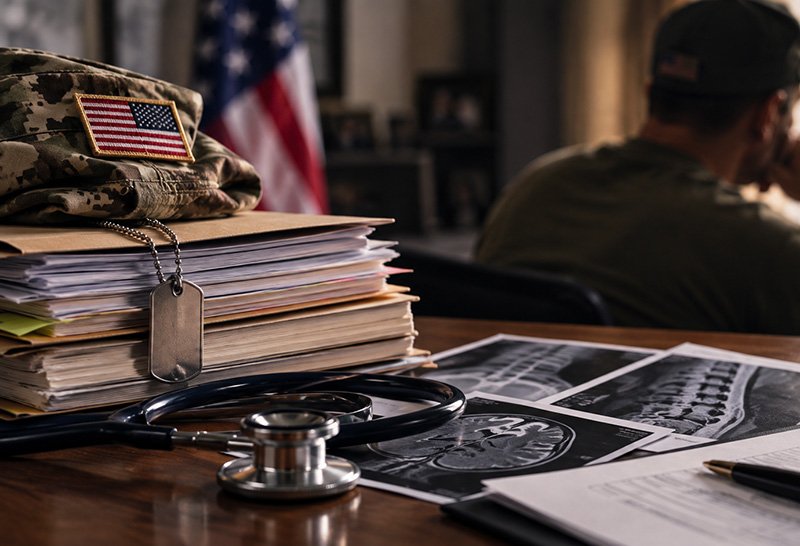
Medical Records
VA treatment records, private medical records, psychiatric evaluations, treatment notes, and other documentation relevant to your condition.
Medical Records
Service Records
DD214, service treatment records, personnel records, and documentation that may help establish relevant events or circumstances.

Service Records
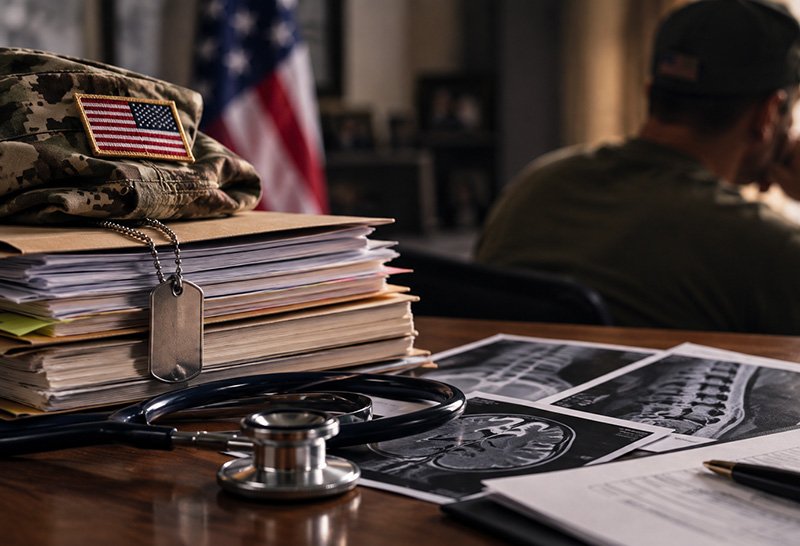
Lay & Supporting Statements
Statements from you, family members, friends, fellow service members, or others who can describe symptoms, changes, or circumstances.
Lay & Supporting Statements
Medical Opinions
When appropriate, medical evidence addressing the relationship between your current condition and military service may be important.

Medical Opinions
Is Your PTSD Related to MST?

Military Sexual Trauma can contribute to PTSD and other mental health conditions. RLGVA helps Veterans understand VA disability options for MST-related conditions and the evidence that may support a claim.

Military Sexual Trauma and Disability Compensation

How Does VA Rate PTSD & Mental Health Conditions?

VA disability ratings are based on the severity of a service-connected condition and the resulting level of occupational and social impairment. Evidence about your symptoms and their effects on your daily functioning can be important when VA evaluates the claim.

A diagnosis alone does not automatically determine the percentage assigned. The overall evidence concerning severity and functional impairment matters.

Important Evidence Can Include

How often symptoms occur and how significantly they affect you.

How the condition affects employment and work-related functioning.

Effects on relationships, communication, and social interaction.

Effects on routine activities, motivation, concentration, and self-care.

When Should You File a PTSD or Mental Health Claim?

You may pursue a VA disability claim when you have a mental health condition that you believe is connected to your military service. If an existing service-connected condition has worsened, an increased-rating claim may also be relevant. A new condition related to an existing service-connected disability may involve a secondary service-connected claim.

Don't Wait to Understand Your Options

Gathering medical records, service records, treatment history, and other supporting evidence can help you organize your claim. The appropriate evidence and legal approach depend on the facts of each Veteran’s case.
When Should You File a PTSD or Mental Health Claim

How to File a PTSD or Mental Health Claim

01

Identify Your Condition

Identify the mental health condition you are claiming and understand how it may be connected to your military service.

02

Establish the Service Connection

Gather information showing how your condition is related to an event, experience, or circumstances during your military service.

03

Gather Supporting Evidence

Collect medical records, service records, treatment records, personal statements, buddy statements, and other evidence that may support your claim.

04

File Your VA Claim

Submit your VA disability compensation claim with the appropriate forms and supporting documentation.

05

Attend VA Examinations

Attend any scheduled C&P examinations and explain your symptoms, medical history, and how your condition affects daily life.

06

Review the VA Decision

Carefully review the VA’s decision, disability rating, and reasoning. If the outcome is unfavorable, you may have options to challenge the decision.

How a VA Disability Attorney Can Help With a PTSD Claim

PTSD and mental health claims require careful attention to both the evidence and the legal requirements for service connection.
Review your diagnosis, service history, existing ratings, and the circumstances connecting your mental health condition to service.
Examine medical records, service records, lay statements, and other evidence to identify important information and potential gaps.
Review unfavorable VA decisions and help you understand available options for further review or appeald.
Your Service Matters. Your Mental Health Matters.
If PTSD, anxiety, depression, or another mental health condition has affected your life after military service, RLGVA can help you understand your VA disability options.
Military Sexual Trauma

Frequently Asked Questions

Frequently Asked Questions about PTSD & Mental Health VA Disability

Generally, you need a current PTSD diagnosis and evidence connecting the condition to a qualifying event or stressor related to your military service. VA's specific requirements depend on the circumstances of your claim.

Potentially, yes. The fact that you were discharged years ago does not automatically prevent you from filing a PTSD disability claim. The evidence must still establish the requirements for service connection.

No. VA recognizes several types of traumatic events that may support PTSD claims, including certain non-combat events.

A lack of in-service mental health treatment does not automatically prevent you from pursuing a claim. Other medical, military, and lay evidence may be relevant depending on the facts.

Potentially. If you believe the VA underestimated the severity of your service-connected PTSD, you may have options to seek review or an increased rating depending on the circumstances and timing of the decision.

A 100% PTSD rating is possible when the condition produces the level of total occupational and social impairment required by the VA rating criteria. However, a veteran does not automatically receive 100% because of a PTSD diagnosis alone.