
Veterans Disability Lawyer
Sleep Apnea
Sleep Apnea VA Disability Claims
If you developed sleep apnea during or after military service, or believe it is connected to another service-connected condition, you may be eligible for VA disability compensation.
RLGVA helps Veterans pursue sleep apnea claims, secondary service connection, rating issues, and appeals nationwide.
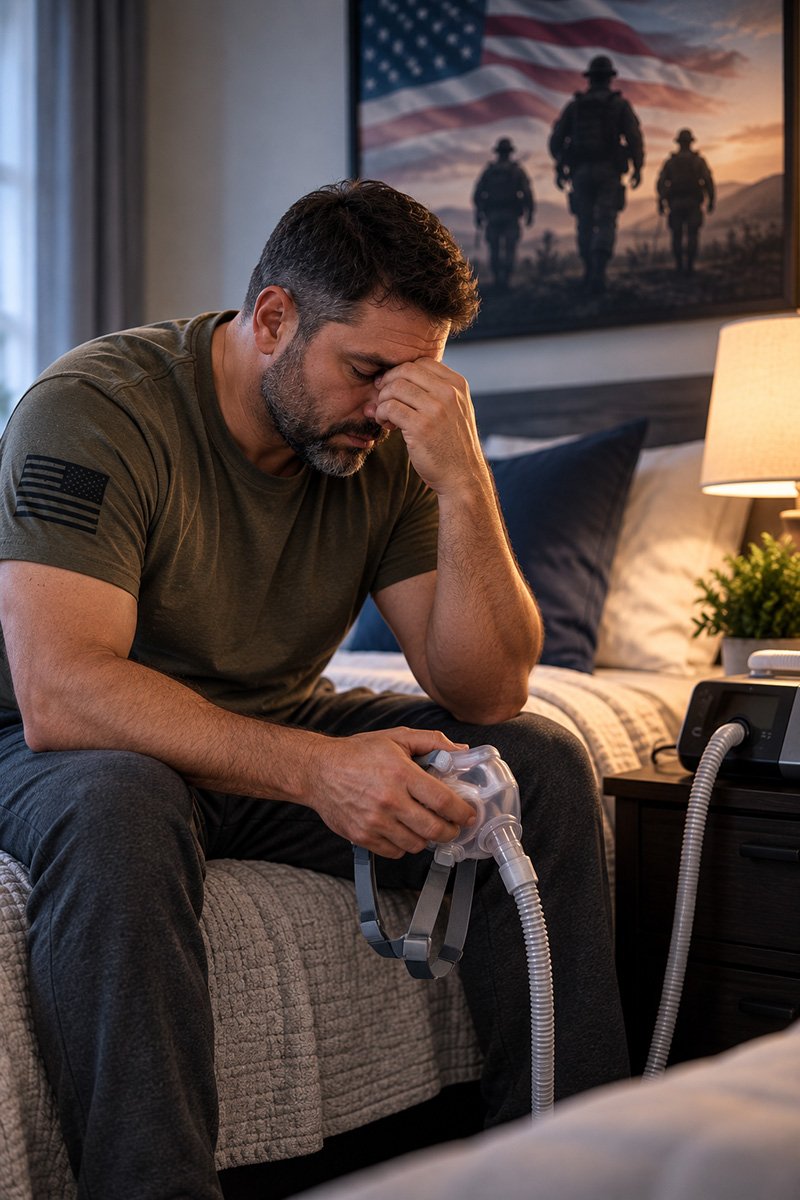
How Sleep Apnea can affect Veterans
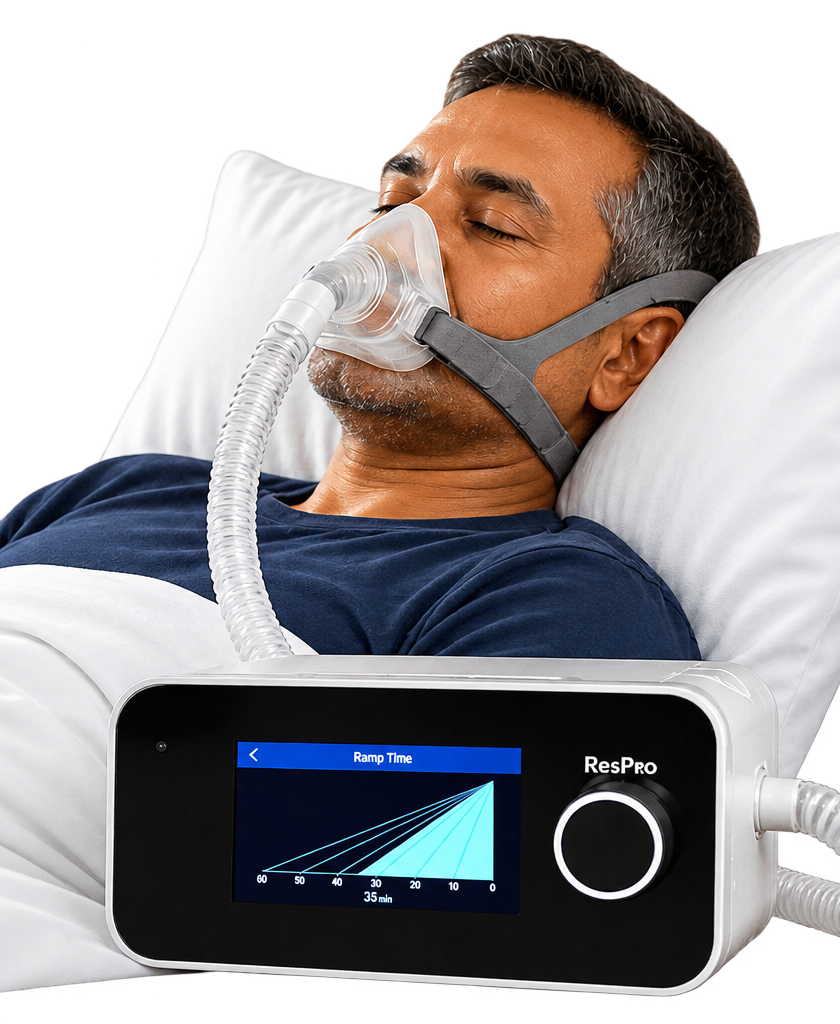
Sleep apnea is a sleep-related breathing disorder that can interrupt normal breathing during sleep and affect energy, concentration, and daily functioning.
For VA disability purposes, sleep apnea may include obstructive, central, or mixed sleep apnea. VA’s Sleep Apnea Disability Benefits Questionnaire states that a diagnosis must be confirmed by a sleep study.
Daytime Sleepiness
Interrupted Sleep
Breathing Assistance
Sleep Apnea Conditions We Help Veterans Address
Obstructive Sleep Apnea
Central Sleep Apnea
Mixed Sleep Apnea
Sleep Apnea as a Secondary VA Disability Claim

Existing Service-Connected Disability
You generally need an established service-connected condition that may be relevant to the claimed secondary condition.

Current Sleep Apnea Diagnosis
Medical evidence should establish the current sleep apnea condition, with a sleep study used to confirm the diagnosis.

Connection or Aggravation sleep apnea
Appropriate evidence may address whether the service-connected disability caused or aggravated the sleep apnea in the veterans.
Building Evidence for a Sleep Apnea VA Claim
- Sleep study results confirming your diagnosis
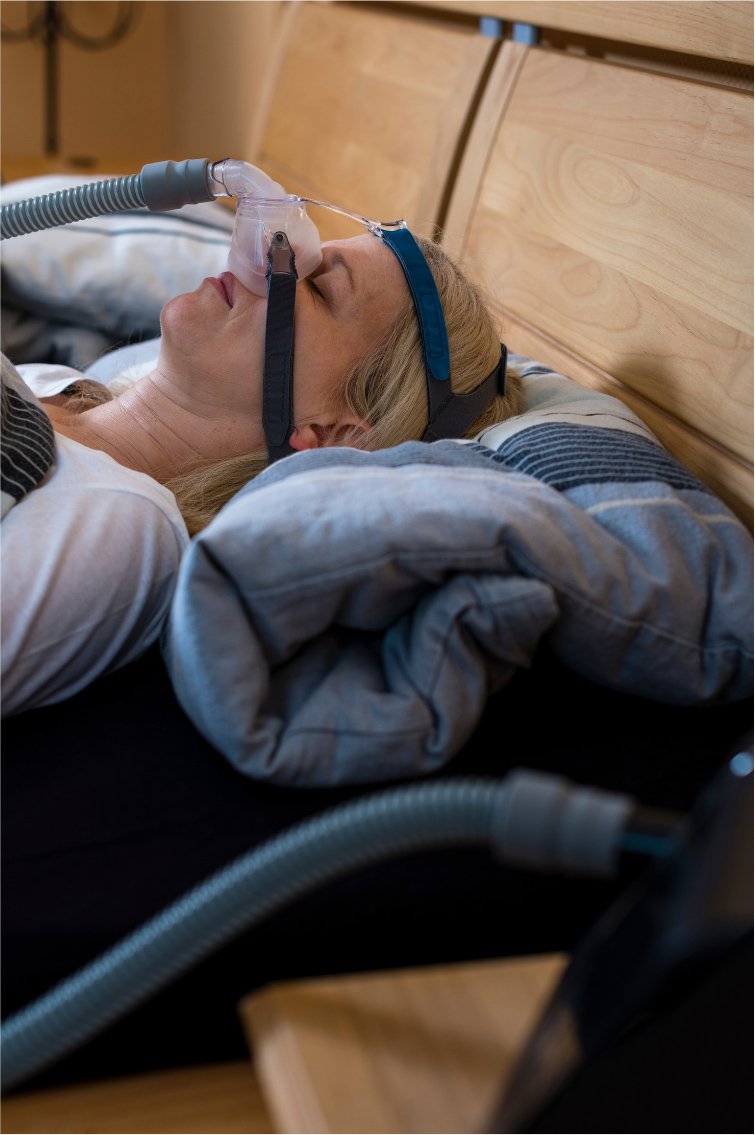
- Medical records documenting symptoms, treatment, and CPAP use
- Service records showing relevant symptoms, events, or conditions
- Medical opinions supporting a connection to service or another service-connected condition
- Lay or buddy statements describing symptoms such as snoring, breathing interruptions, or excessive daytime fatigue
What If You Use a CPAP Machine?
Under the current Diagnostic Code 6847 criteria, requiring a breathing assistance device such as CPAP corresponds to the 50% evaluation level.
However, the rating issue is separate from establishing entitlement to service connection for sleep apnea.
When Should You File a Sleep Apnea Claim?

Confirmed Diagnosis
You have a documented sleep apnea diagnosis supported by appropriate testing.

Service-Related Evidence
You have evidence connecting your condition, symptoms, or relevant circumstances to military service.

Secondary Connection
You believe sleep apnea is caused or aggravated by an existing service-connected disability.

Rating Increase
Your service-connected sleep apnea has worsened or the current evidence may support a different evaluation.

Previous Denial
Your claim was denied and you now have new evidence or another basis for seeking review.

Appeal or Decision Review
You want to understand your options after an unfavorable VA decision.

Why Sleep Apnea VA Claims Can Be Challenging
01
No In-Service Diagnosis
02
Insufficient Medical Evidence
03
Weak Secondary Nexus
04
Rating Disputes
05
Inadequate Examination
06
Previous Denial
How RLGVA can help with your Sleep Apnea Claim
Frequently Asked Questions
Potentially. Sleep apnea may qualify for VA disability compensation when the evidence establishes the required connection to military service or another qualifying basis for compensation.
VA's Sleep Apnea Disability Benefits Questionnaire states that a sleep apnea diagnosis must be confirmed by a sleep study. Current sleep-study results may therefore be important evidence in a claim.
Under the current Diagnostic Code 6847 criteria, requiring a breathing assistance device such as a CPAP corresponds to the 50% evaluation level. Establishing service connection is a separate issue.
It may be possible. VA recognizes secondary service-connected claims for a new disability linked to a disability that is already service connected. The evidence must establish the required relationship.
Depending on your claim, relevant evidence may include a sleep study, medical records, service records, treatment records, CPAP documentation, medical opinions, and lay or buddy statements.
An accredited VA attorney may assist with preparing, presenting, and pursuing VA disability claims and appeals. RLGVA can review your circumstances and explain potential legal options.