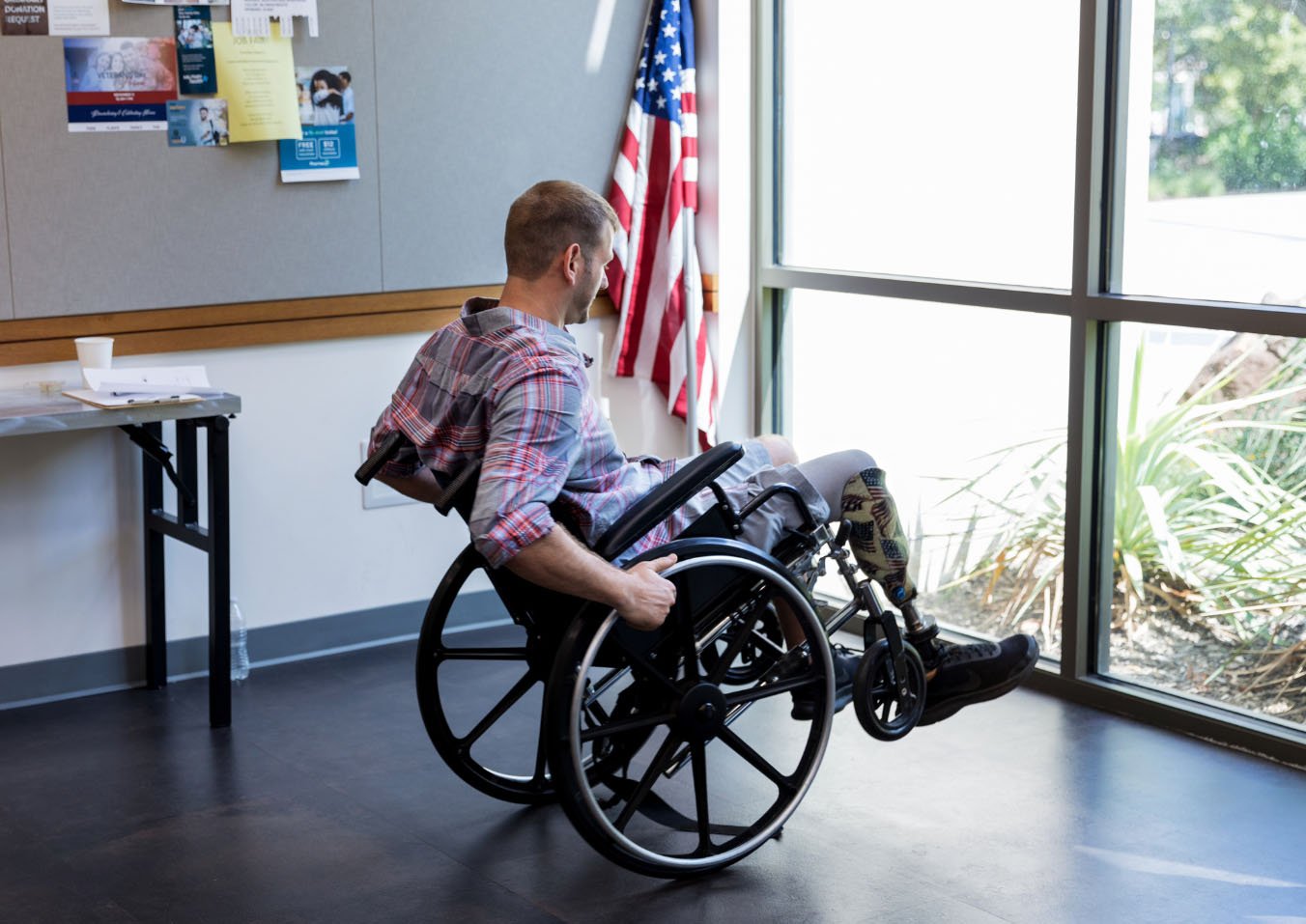
When Pain, Injury, or Limited Movement Follows You Home
Military service can place significant demands on the body. If a musculoskeletal or orthopedic condition is connected to your service, you may be eligible for VA disability compensation.
Musculoskeletal conditions can involve the spine, joints, bones, muscles, tendons, ligaments, and other structures. For Veterans, these conditions may develop from an injury during service, repetitive physical demands, training, occupational duties, combat-related events, or another service-related circumstance.
Depending on the facts, a claim may involve direct service connection, secondary service connection, aggravation, or an increased rating. VA states that an original claim generally needs evidence of a current disability, an in-service event, injury, or disease, and a link between the current condition and service.
A current orthopedic condition may be directly connected to an injury, disease, or event that occurred during military service when the evidence supports that relationship.
Secondary Service Connection
A new musculoskeletal condition may sometimes be claimed as secondary to an already service-connected disability. The evidence must support the required connection.
Aggravation
In some circumstances, evidence may show that military service permanently worsened a pre-existing condition. The specific legal requirements depend on the facts of the claim.
Range of Motion & Functional Loss
For many orthopedic conditions, the diagnosis is only part of the picture. Medical evidence may document how pain and other symptoms affect movement and everyday function.
Limited range of motion
Painful movement
Weakness
Joint instability
Reduced endurance
Difficulty walking or standing
Difficulty lifting
Difficulty bending
Flare-ups
Functional limitations
When Your Orthopedic Condition gets worse
A service-connected condition can change over time. Increased pain, reduced mobility, additional treatment, injections, physical therapy, medication, or surgery may be relevant to an increased-rating claim.
VA states that Veterans with a rated service-connected disability that has gotten worse can file an increased claim and should submit up-to-date medical evidence showing the worsening.
When an Orthopedic Disability affects your ability to work
Some Veterans have musculoskeletal conditions that significantly affect their ability to work. Depending on the circumstances, TDIU may be another benefit to evaluate.
TDIU is different from simply receiving a higher schedular rating. It concerns whether service-connected disabilities prevent substantially gainful employment.
If VA determines that an examination is needed, the examiner may review your medical history and evaluate symptoms and functional limitations relevant to the claimed condition.
For orthopedic claims, this can include range of motion, pain, flare-ups, repetitive use, stability, and other physical findings. VA’s claims process may include medical examinations or medical opinions when additional information is needed.
Potentially. Eligibility depends on the evidence establishing a current disability and the required connection to military service or another service-connected condition.
Yes. VA provides an increased-claim process for service-connected disabilities that have worsened, and current evidence showing the worsening is important.