

Veterans Disability Lawyer
Military Sexual Trauma (MST)
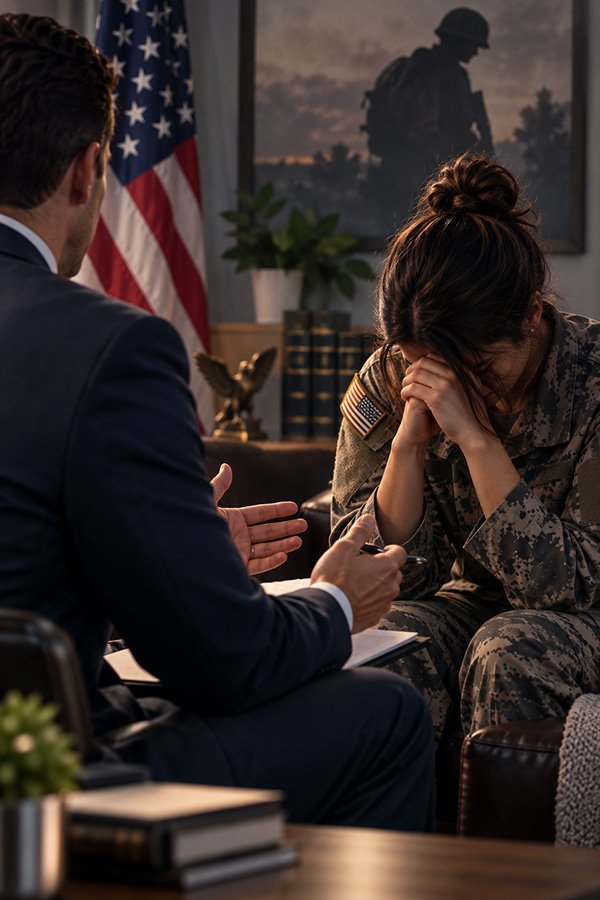
Military Sexual Trauma can have lasting effects
Military Sexual Trauma (MST) is VA’s term for sexual assault or sexual harassment experienced during military service.
MST can happen to anyone and may occur on or off base and while on or off duty. It can involve another service member, a superior or subordinate, a civilian, an intimate partner, or another person.
MST is an experience, not a diagnosis. Veterans can experience different effects, and symptoms may appear immediately or years after service.
What is Military Sexual Trauma?
VA defines Military Sexual Trauma, or MST, as sexual assault or sexual harassment experienced during military service. MST can happen to anyone, and the experience can occur on or off duty and on or off base.
Sexual Assault
Sexual Harassment
How can MST affect veterans?
Every survivor responds differently. MST can affect mental health, physical health, relationships, employment, and everyday life.
Mental Health
Physical Health
Work & Relationships
Types of Military Sexual Trauma

Sexual Assault
Unwanted sexual contact or sexual activity without consent during military service.

Sexual Coercion
Pressure, threats, intimidation, or abuse of authority used to obtain unwanted sexual activity.

Unwanted Sexual Contact
Unwanted touching, grabbing, sexual advances, or other unwelcome sexual conduct.

Sexual Harassment
Unwelcome sexual comments, advances, threats, or conduct involving your body or sexuality.

Sexualized Hazing
Sexualized conduct or unwanted sexual activity occurring in connection with hazing or other military experiences.

Traumatic Experiences
Other unwanted sexual experiences during military service may also be relevant to an MST-related VA claim.

VA disability compensation is generally based on a current disability and evidence connecting that condition to military service. An MST-related claim may involve PTSD, depression, anxiety, or another mental or physical health condition related to the trauma.
The MST experience itself is not a disability rating. The claim focuses on the resulting condition and its relationship to service.
You don’t have to face the VA Process alone.
If Military Sexual Trauma continues to affect your health or your life, understanding your VA disability options may be an important step. RLGVA can help you understand the evidence and legal issues involved in your claim.
How to file a Claim related to MST

Identify the Condition
Understand the current mental or physical health condition you believe is related to MST.

Gather Evidence
Collect available medical records, service records, statements, and other supporting evidence.

File the Claim
Submit your VA disability claim and supporting evidence through available VA filing options.

Develop the Claim
Additional records, statements, or medical evidence may be submitted as the claim moves forward.

Attend an Examination
VA may schedule a Compensation and Pension examination when additional medical information is needed.

Review the Decision
If VA denies the claim or assigns an inaccurate rating, review or appeal options may be available.
Evidence We'll Need for Your Claim
Service personnel records, treatment records, VA records, private medical records, counseling records, and other documentation may be relevant.
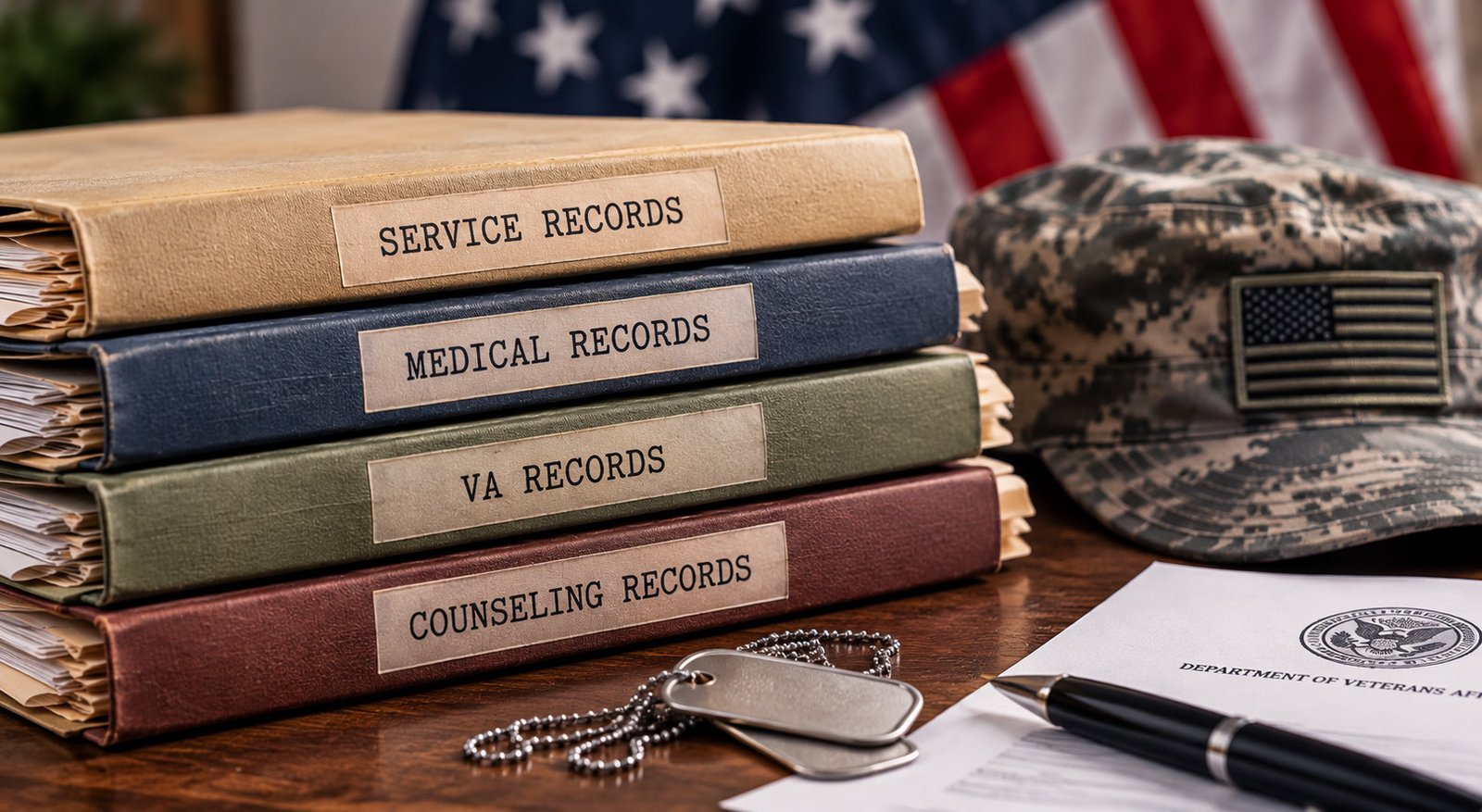
Statements from you or people who knew about the experience or observed changes afterward can provide important context.
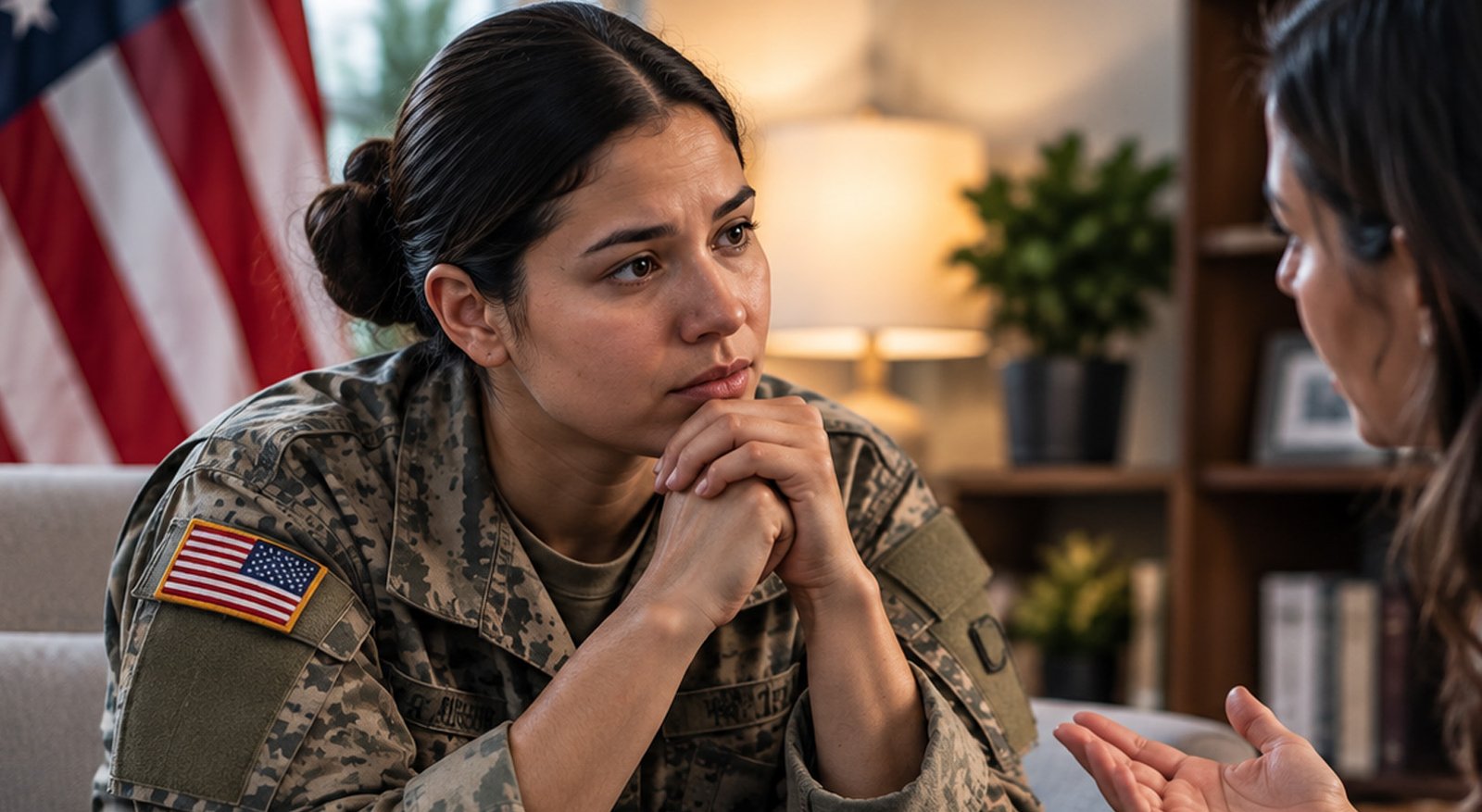
Changes in work performance, relationships, behavior, substance use, eating, social activity, or other circumstances may be relevant evidence.
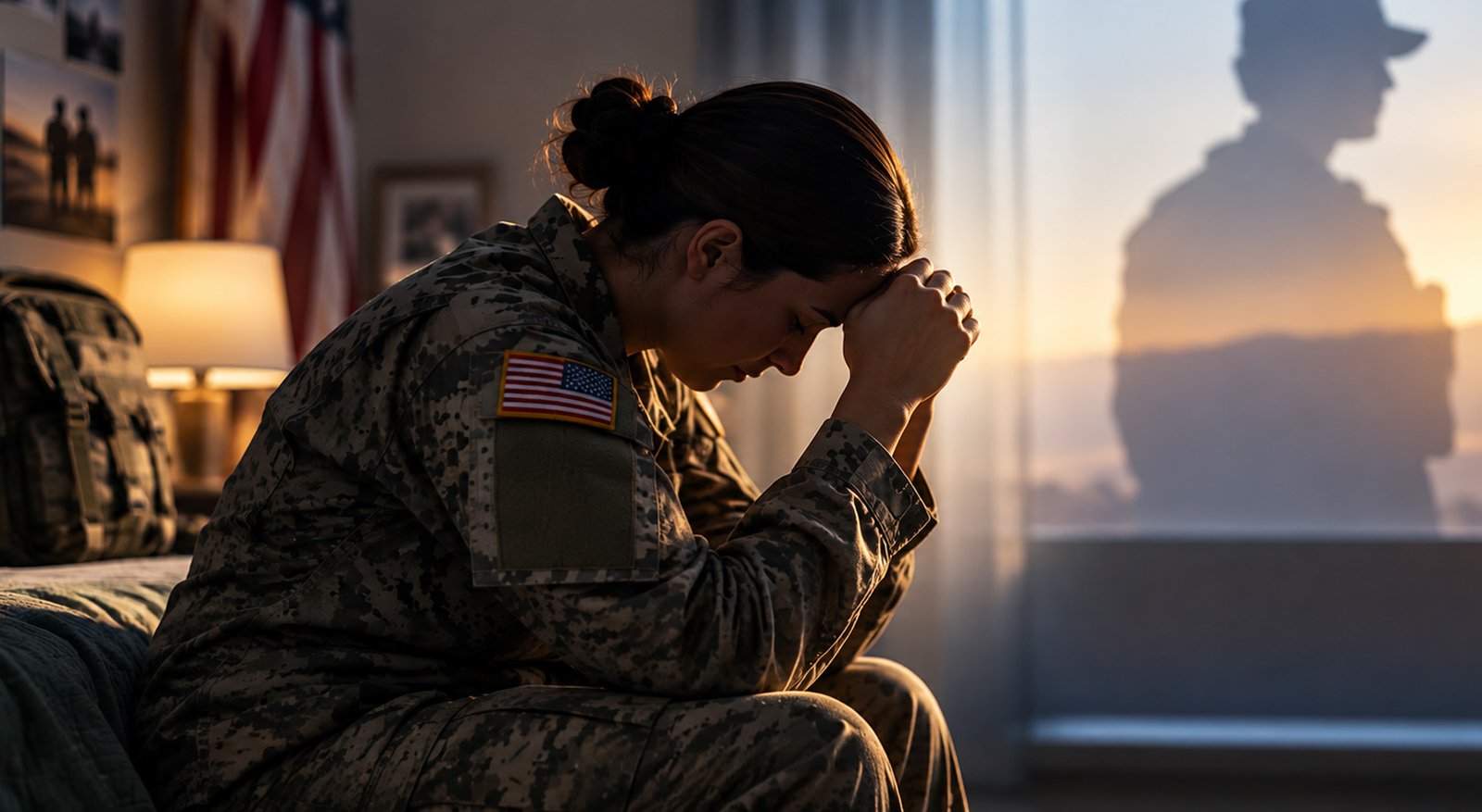
Challenges Veterans May Face With MST Claims
01
No Official Report
02
Limited Records
03
Symptoms Appeared Later
04
Scattered Evidence
05
Current Diagnosis Issues
06
Previous Denial
How a VA Disability Attorney can help with an MST Claim
Frequently Asked Questions
Frequently Asked Questions about Military Sexual Trauma
Military Sexual Trauma, or MST, is VA's term for sexual assault or sexual harassment experienced during military service.
You may be eligible for VA disability compensation if you have a current mental or physical health condition related to MST and the requirements for service connection are met.
No. A lack of contemporaneous reporting does not necessarily prevent an MST-related claim. VA recognizes different forms of direct and indirect evidence.
Yes. PTSD may be associated with MST. A VA disability claim generally requires evidence addressing the current condition and its relationship to military service.
Yes. VA states that Veterans can receive MST-related care without having an MST-related disability rating, and reporting the experience is not required to access MST-related care.
Depending on the decision and circumstances, you may have options to seek review. An attorney can review the decision and explain potential next steps.